

The art of making and using knives extends far beyond their simple practical use. Artisanal cutlery immerses enthusiasts in a realm where tradition, skill, and passion unite to produce both everyday tools and genuine works of art. Whether for cooking, collecting, or daily tasks, handmade knives continue to attract growing interest for their unique designs, exceptional quality, and surprisingly affordable prices.
The origins and tradition of artisan cutlery
Throughout history, crafted blades have played an essential role in shaping civilizations. Long before industrialization, blacksmiths and artisans dedicated years to mastering techniques passed down through generations. Today, this legacy lives on as modern craftsmen preserve age-old methods while embracing new materials and finishes.
Artisan cutlery forms a bridge between contemporary needs and ancient knowledge. Appreciation for craftsmanship grows not only from the finished knife, but also from understanding the time, effort, and expertise invested in each blade. For many collectors, the story behind a piece is nearly as valuable as the knife itself.
Main types of handmade knives
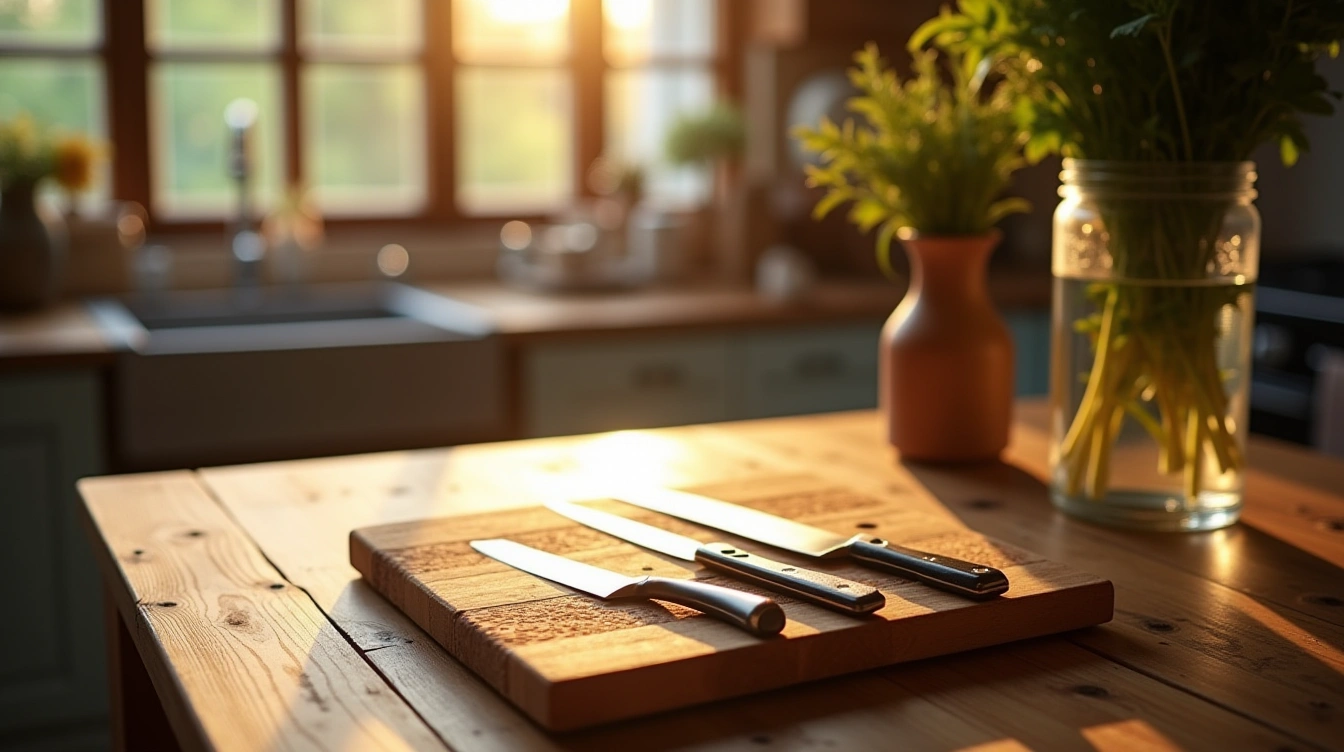
Blades created by skilled craftspersons cover a broad and vibrant spectrum. From chef’s knives that offer perfect balance to folding knives designed for portability, the choices suit almost every purpose. Many artisans produce both EDC (everyday carry) knives and collectible blades, offering remarkable diversity in style and function. Click to discover
- Classic chef’s knives: Essential for professional chefs and home cooks alike.
- Folding knives: Designed for pocket use, combining practicality with security.
- EDC knives: Sturdy enough for daily tasks yet compact for easy carrying.
- Collectible blades: Made in small batches, prized for rarity and artistic value.
These categories only hint at the possibilities, as custom work regularly results in truly unique creations. Enthusiasts often commission knives tailored to their grip, habits, or aesthetic preferences.
What distinguishes folding knives?
Folding knives are valued for their mobility and convenience. Unlike fixed-blade models, they fold into a compact form, fitting easily into pockets or bags. This makes them especially popular among outdoor adventurers, tradespeople, and those who appreciate a discreet, versatile tool.
Within artisan cutlery, folding knives present unique challenges and opportunities for makers. Craftsmen pay close attention to mechanics—smooth operation, secure locking systems, and balanced weight all contribute to excellent performance without compromising style.
Collectible blades: works of art and investment
While some seek functional tools, others focus on collectible blades. These knives often feature rare materials, intricate engravings, or bold innovations in shape and design. Limited editions and bespoke orders appeal to investors and connoisseurs searching for distinctive additions to their collections.
The market for such pieces blends history, fashion, and demand. Prices can vary greatly, but artisan cutlery typically holds its value thanks to exclusivity and the reputation of master makers. As trends shift, buyers study which designs are likely to increase in value over time.
The core elements of cutting craftsmanship
Every outstanding knife starts with carefully chosen materials. Artisans select steels and handle components according to desired hardness, flexibility, and corrosion resistance. While stainless steel remains a staple, recent years have seen the rise of exotic alloys and composite handles that add both flair and durability.
Creating a blade involves several precise steps: forging, grinding, heat treating, and polishing. Each stage demands attention to detail, from achieving an even edge to applying intricate decorations. Rather than mass production, handcrafted knives reflect slower, more attentive work focused on excellence.
Quality standards and performance
Buyers expect hand-forged knives to surpass factory-made alternatives in sharpness and durability. Regular users also notice improved ergonomics thanks to personalized shaping and balancing. Maintaining high performance requires proper care: occasional sharpening, gentle washing, and safe storage all help extend the life of a handcrafted blade.
Performance tests by enthusiasts consistently show that artisan cutlery delivers finer cuts and greater control. A well-crafted knife feels like an extension of the hand—a true reflection of the maker's skill and intuition.
Affordable prices and access to unique designs
Despite the significant time invested in each piece, the growth of online markets and direct collaboration between makers and customers has made affordable prices increasingly accessible. Buyers now enjoy the chance to acquire unique designs at reasonable costs, particularly when compared to luxury brands.
Fair pricing benefits both artisans and consumers. Those seeking something different from mass-produced options have more opportunities than ever to begin or expand collections featuring original, handmade tools.
| Feature | Artisan cutlery | Factory knives |
|---|---|---|
| Uniqueness | Every piece is original | Identical in mass production |
| Customization | Tailored to user preference | Standardized builds |
| Quality control | Meticulous inspection | Sporadic spot-checking |
| Performance | Optimized for specific needs | Average across batches |
| Price range | Varies by maker; more accessible than imagined | Broad; less fluctuation for basic models |
Appreciating and collecting handmade blades
Knife collecting unites a passionate international community. Enthusiasts attend trade shows, join online forums, and participate in auctions to share advice and discoveries. Rarity and provenance influence the value of certain pieces, but most collectors agree that emotional connection is just as important.
Some collections are built around regional traditions, such as Japanese or Scandinavian styles. Others focus on innovative uses of materials—mammoth ivory, Damascus steel, or stabilized woods. Constant innovation ensures the field remains dynamic, sustaining collector enthusiasm.
Frequently asked questions about artisan cutlery
What defines artisan cutlery compared to mass-produced knives?
Artisan cutlery refers to knives or blades crafted by skilled individuals, typically using traditional methods and manual labor rather than assembly lines. Each piece displays variations reflecting the maker’s vision and talent.
- Unique characteristics per knife
- Personal touches in design
- Meticulous crafting versus automation
| Key differences | Artisan | Factory |
|---|---|---|
| Identity | Unique | Uniform |
| Craftsmanship | High | Moderate |
Are handmade knives always more expensive?
Not always. Affordable prices are becoming more common as artisans offer direct sales and moderate margins. While exclusive pieces may command higher prices, everyday carry and functional models can fit a modest budget.
- Competitive pricing for EDC knives
- Value increases with uniqueness and complexity
How can I care for my handmade knife to maintain performance?
Proper maintenance prolongs your blade’s life and keeps it sharp. Clean your knife after each use, dry it thoroughly, and store it in a protective sheath or case. Periodic sharpening preserves optimal performance.
- Hand wash rather than use a dishwasher
- Sharpen regularly
- Avoid extreme temperatures
Why are unique designs favored among collectors?
Unique designs highlight individuality and can enhance the long-term value of artisanal knives. Collectors prefer originality because these details showcase the maker’s creativity, resulting in one-of-a-kind items rarely found elsewhere.
- Visual distinction
- Storytelling and provenance
- Enhanced collectibility